Portfolio of works across domains
-
My work has focused on how human behavior, social spaces, social interaction, trust, and community resilience restructure after perturbations.
Displacement-Induced Social Networks Restructuring
-
-
Urban Complex Systems
-
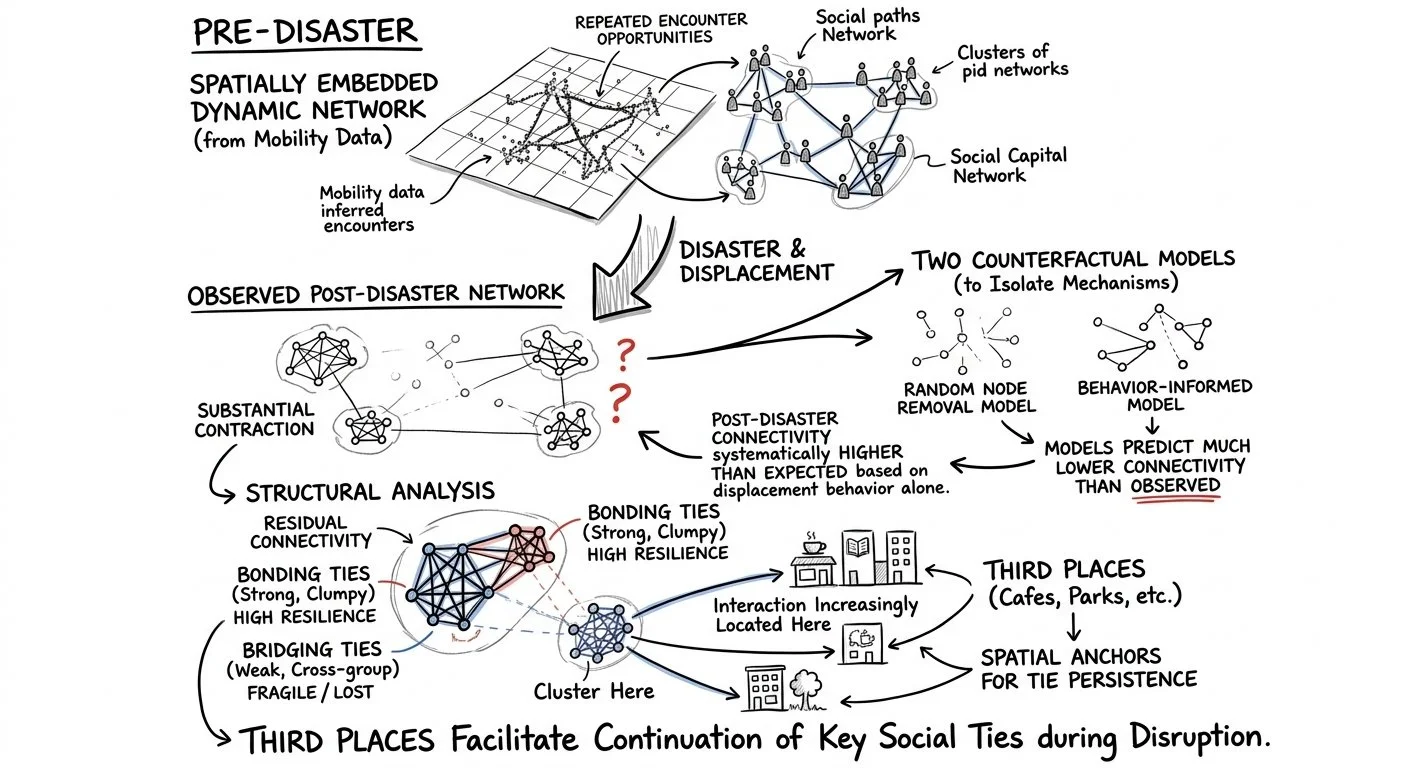
Disaster-induced behavioral change restructures social networks (Raipat, V., Aldrich,D., Yabe, T.; 2026)
Population displacement following environmental shocks reshapes the spatial organization of social interactions, often fragmenting existing ties and weakening community cohesion. Although social capital is widely recognized as a key determinant of resilience, its dynamic restructuring after disruption remains poorly quantified. Here, we develop a spatially embedded, dynamic network framework that operationalizes social capital as a network of repeated encounter opportunities inferred from large-scale mobility data. We find that disaster-induced displacement leads to substantial contraction of socio-spatial networks. To isolate underlying mechanisms, we develop two counterfactual models: a random node removal model and a behaviour-informed model. Both counterfactuals predict substantially lower connectivity than observed, indicating that post-disaster connectivity remains systematically higher than expected based on displacement behavior alone. Structural analysis of the network reveals that this residual connectivity is disproportionately concentrated among bonding ties, while bridging ties are comparatively fragile. Furthermore, interaction becomes increasingly located around third places, suggesting that these places act as spatial anchors for the persistence of social ties under disruption.
-
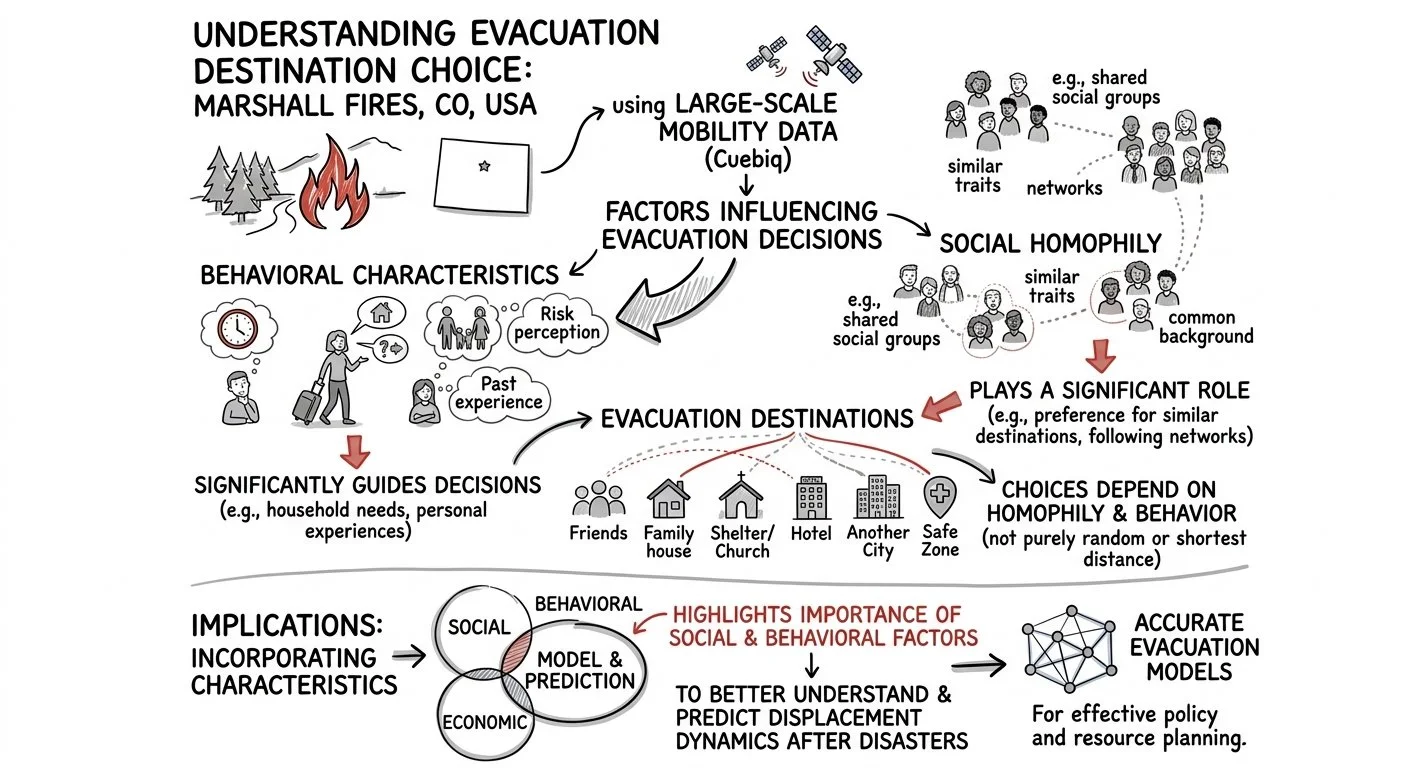
Social homophily predicts evacuation destination choice (Raipat,V., Yabe,T.; 2025)
Rapid urbanization and climate change have contributed to a significant rise in the frequency and intensity of disasters resulting in three million adults being displaced from their homes in the United States during 2023, according to the Census Bureau. Motivated by the recent literature showing strong associations between social homophily and mobility behavior, we use large-scale mobility data by Cuebiq from the Marshall Fires in Colorado, USA, to unravel the factors that pay an important role in evacuation destinations choice decisions.
We find that behavioral characteristics and social homophily play a significant role in post-disaster mobility decisions. Our findings highlight the importance of incorporating the social, behavioral, and economic characteristics to better understand and predict evacuation and displacement dynamics after disasters.
Featured on Tandon, NYU News
-
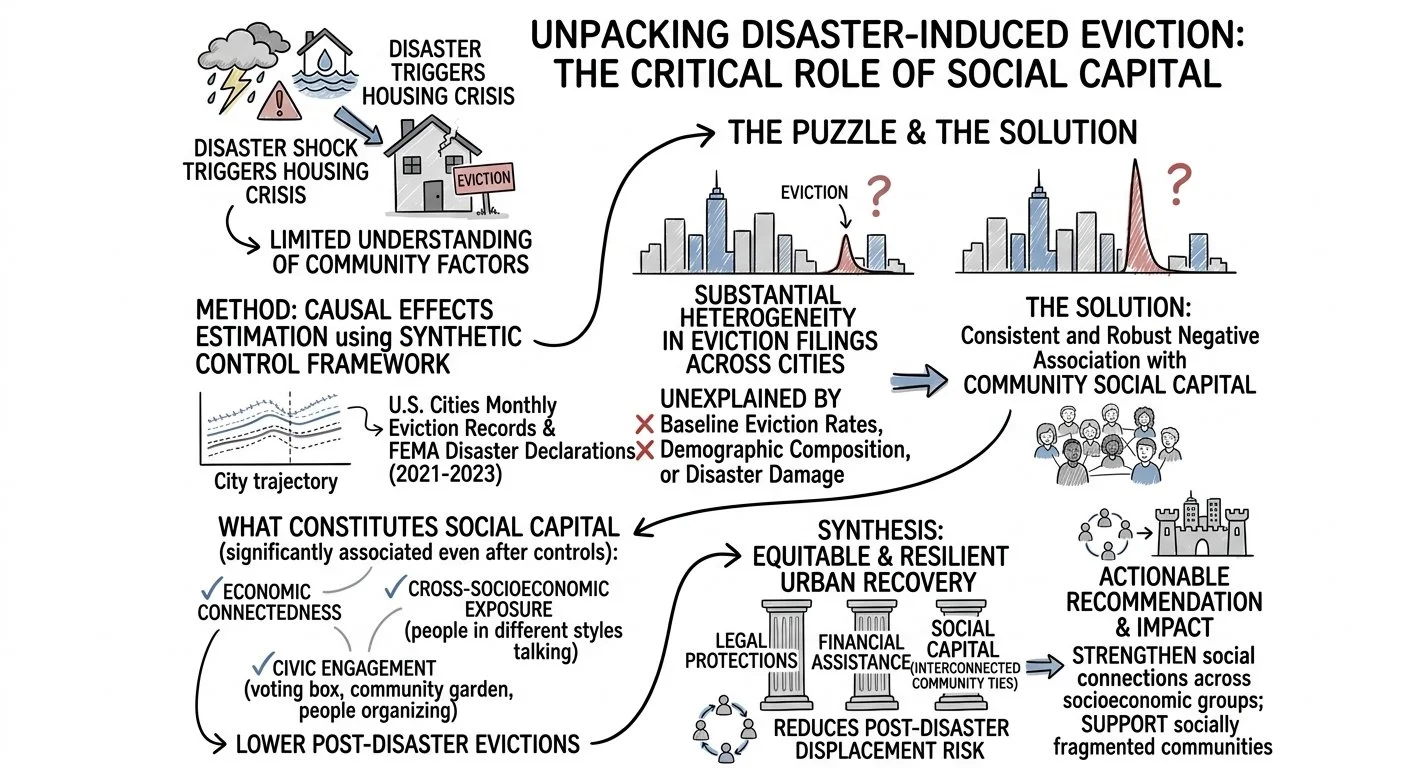
Social capital is associated with reduced eviction risk following natural disasters (Sugiyama, S., Raipat, V., Morikawa, S., & Yabe, T.; 2026)
Natural disasters impose severe social and economic shocks on urban households and frequently trigger housing crises that undermine equitable and resilient urban recovery.
Using monthly eviction filing records from U.S. cities and FEMA disaster declarations between 2021 and 2023, we estimate the causal effects of natural disasters on eviction filings using a synthetic control framework.
We find substantial heterogeneity in disaster-induced eviction filings across cities that cannot be explained by baseline eviction rates, demographic composition, or disaster damage alone. Instead, the magnitude of disaster effects is consistently and robustly negatively associated with community social capital. Measures of economic connectedness, cross-socioeconomic exposure, and civic engagement remain significantly associated with lower post-disaster eviction filings after controlling for income, racial composition, disaster severity, and other covariates.
-
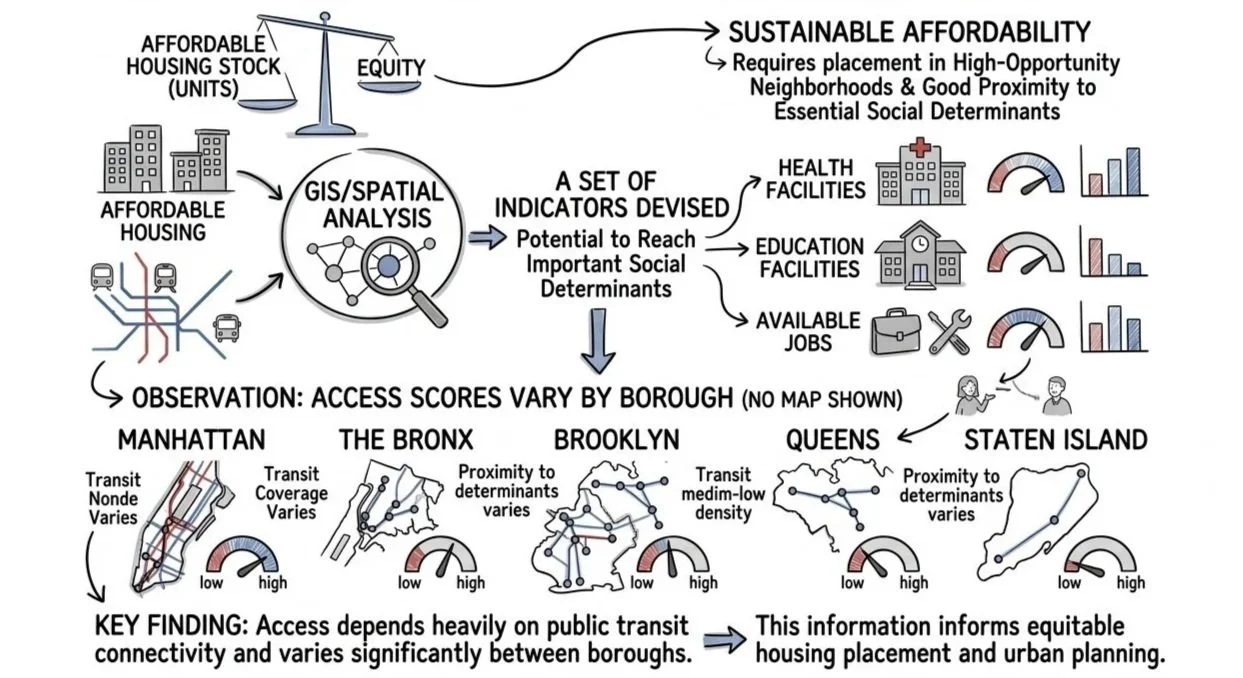
Measuring the Fairness of Transit Accessibility (Messa, F., Raipat, V.; 2023))
Affordable housing is an integral aspect that determines the level of equity, for it to function sustainably, it is important to ensure that these units are placed in high-opportunity neighborhoods, that provide good proximity and accessibility to essential social determinants.
This research leverages spatial analysis approach to assess the fairness of accessibility with public transit for the affordable housing stock of New York City. In particular, transit-based accessibility statistics are calculated by developing catchment analyses from each grid cell representing housing and affordable housing.
These results are used to devise a set of indicators to measure the potential to reach important social determinants, such as health and education facilities, and the number of available jobs. We observe variability in access scores across five boroughs.
This methodology presented here can prove very useful for conducting the feasibility analysis while planning the location of affordable housing in the city, as choosing a neighborhood with a high Access Score for social determinants will ensure that the affordable housing units are located in high opportunity neighborhoods.



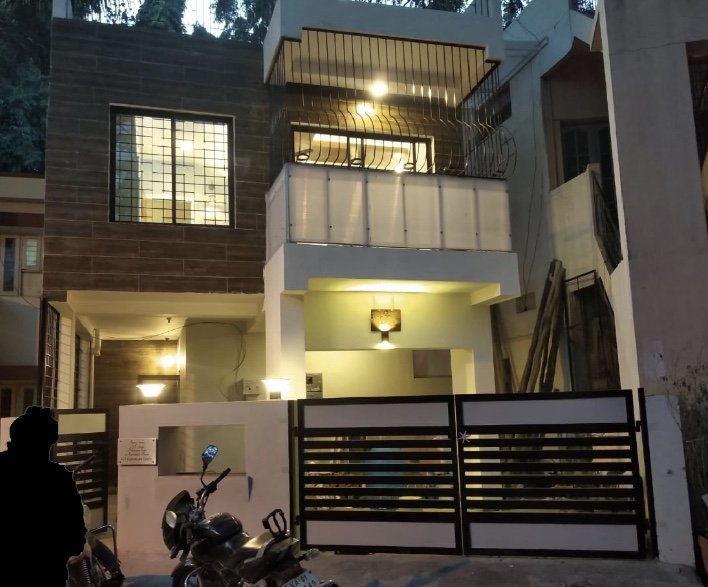
Architecture and Urban design
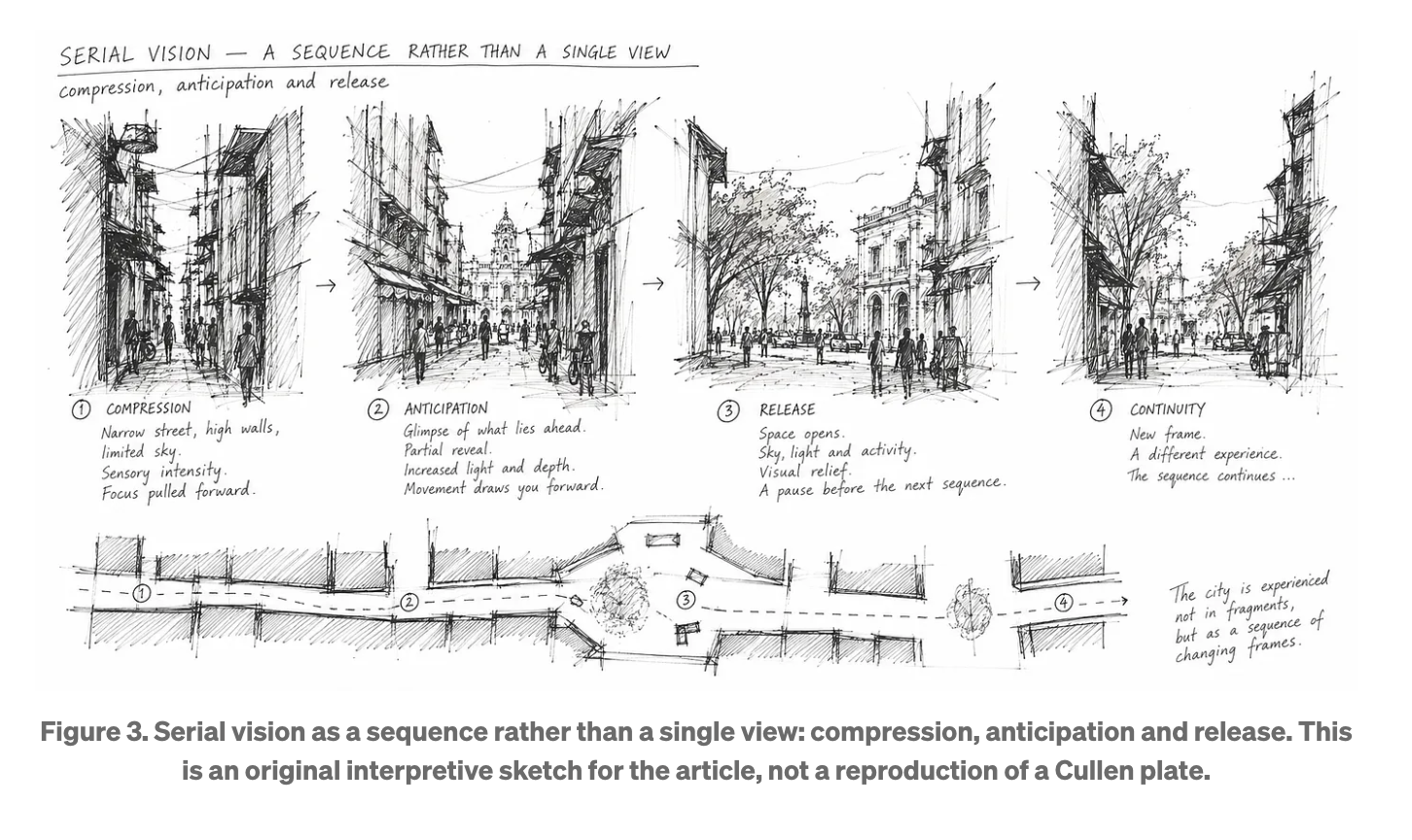
For centuries, architecture has advanced our ability to design for structural integrity, environmental performance, and increasingly sustainability. Yet one dimension remains remarkably underdeveloped: our ability to rigorously design for social performance.
We can model daylight, energy use, wind, and carbon emissions with extraordinary precision, but we still have very limited tools to predict whether a building, neighborhood, or public space will strengthen trust, encourage interaction between diverse communities, foster social cohesion, or improve resilience during times of disruption. These outcomes are often discussed qualitatively, yet they are rarely measured, modeled, or incorporated into the design process itself. My research aims to address this gap, to know more or connect with me please fill in the form below.


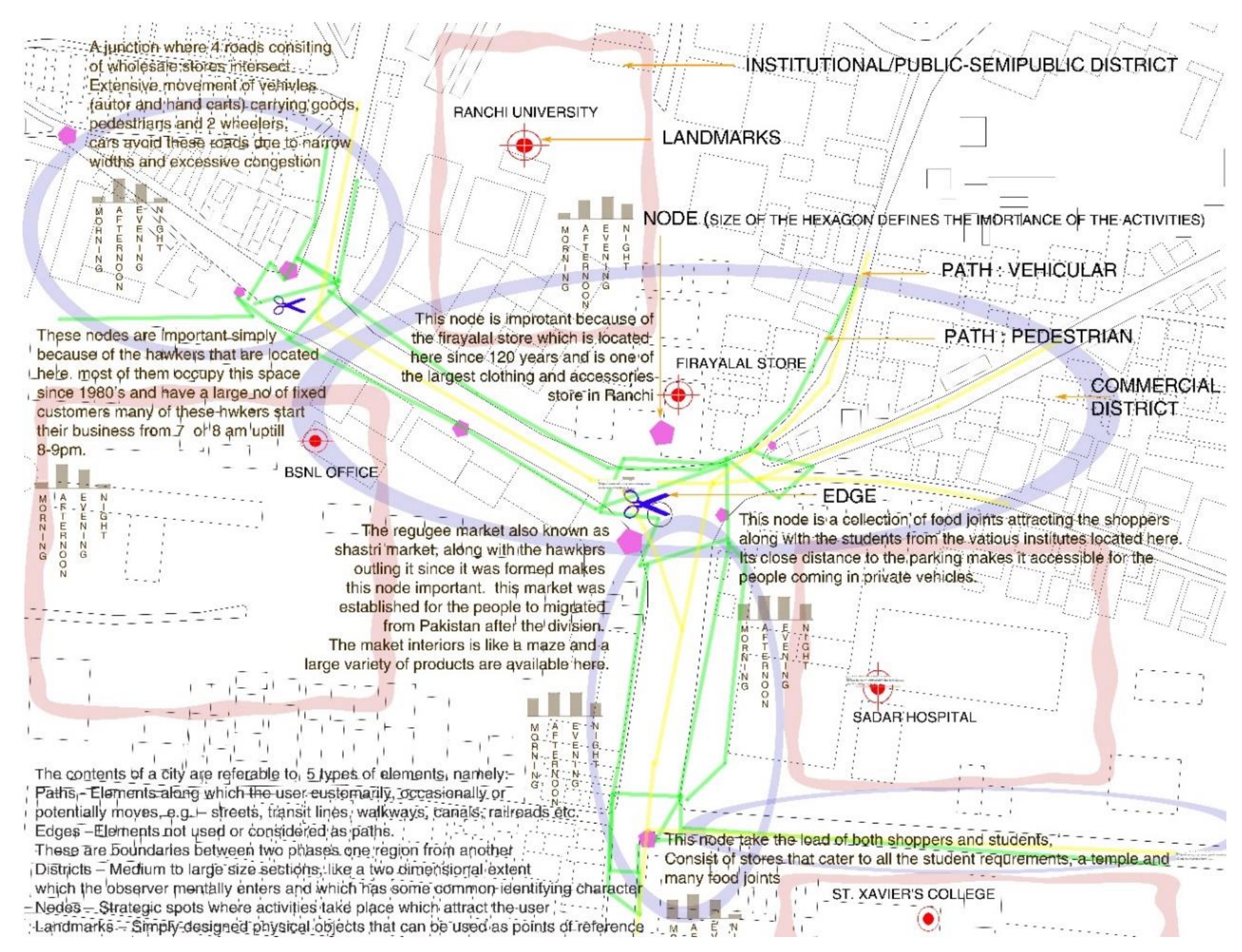
Awards, Mentions, Passion Projects



#Poetry